Survivor 51 · Reference

Survivor Glossary

CBS

Challenges

5

Immunity Challenge

Challenges

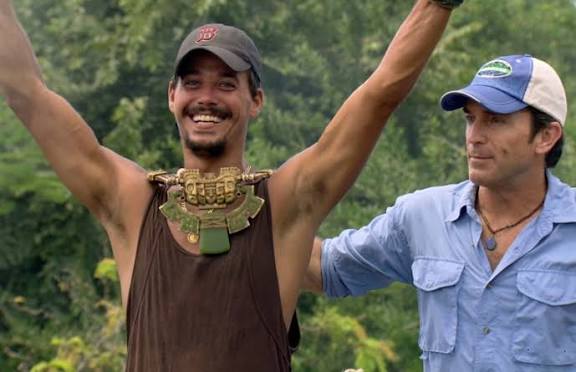
The competition that decides who is safe. Pre-merge the winning tribe skips Tribal Council entirely; post-merge a single player wins an individual necklace.

Why it matters · The most reliable points on the board, and the only ones a player fully controls. An individual immunity run is how a huge target survives to the end.
Reward Challenge

Challenges

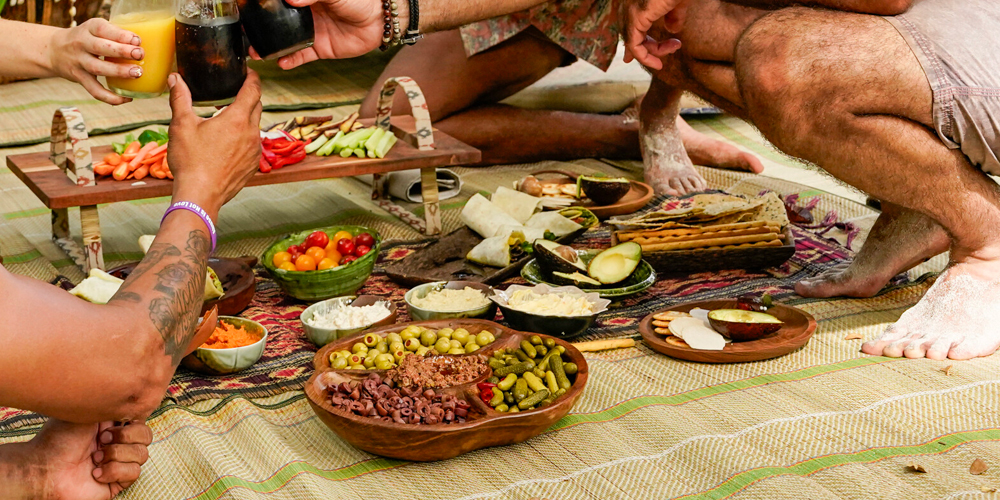
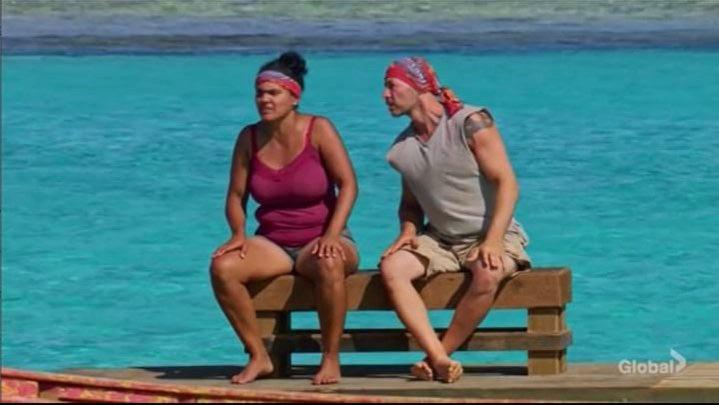
A competition for food, comfort, tools or an excursion rather than safety. Sometimes merged with immunity into a single combined challenge.

Why it matters · Worth fewer points than immunity but far more common, and the excursions are where advantages and alliances tend to appear.

Sit-Out

Challenges

When tribes are uneven, the larger tribe benches a player. You generally cannot sit out two challenges in a row.

Why it matters · A player who keeps getting benched is being read as weak, which is usually an early-boot signal — and they score nothing that episode.

Fire-Making Challenge

Challenges

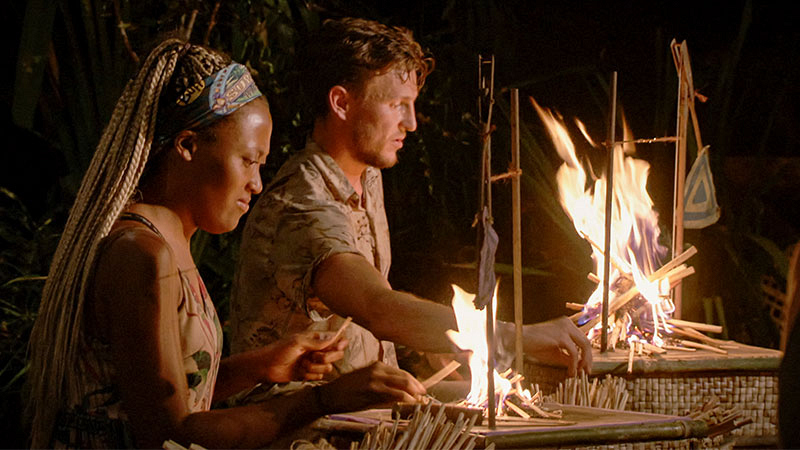
At final four, the individual immunity winner picks one person for the final three and sends the other two to make fire. First flame to burn through the rope advances.

Why it matters · The single highest-leverage moment for an outside pick. One fire win converts a fourth-place finish into a seat at Final Tribal.

Endurance Challenge

Challenges

A last-one-standing contest — holding a position, balancing, or gripping — rather than a race or a puzzle.

Why it matters · The great equaliser. Endurance rewards stubbornness and low body weight far more than athleticism, so it is where an underdog pick pays off.

Tribal Council

10

Tribal Council

Tribal Council

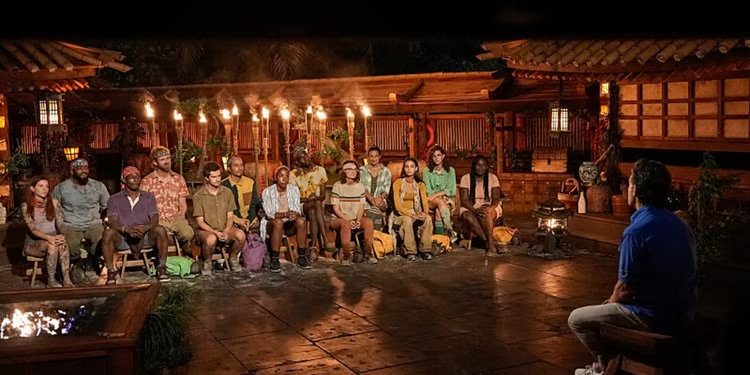
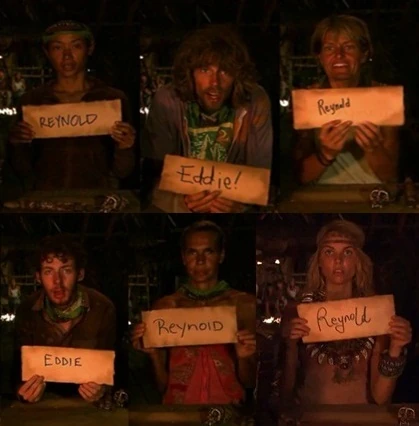
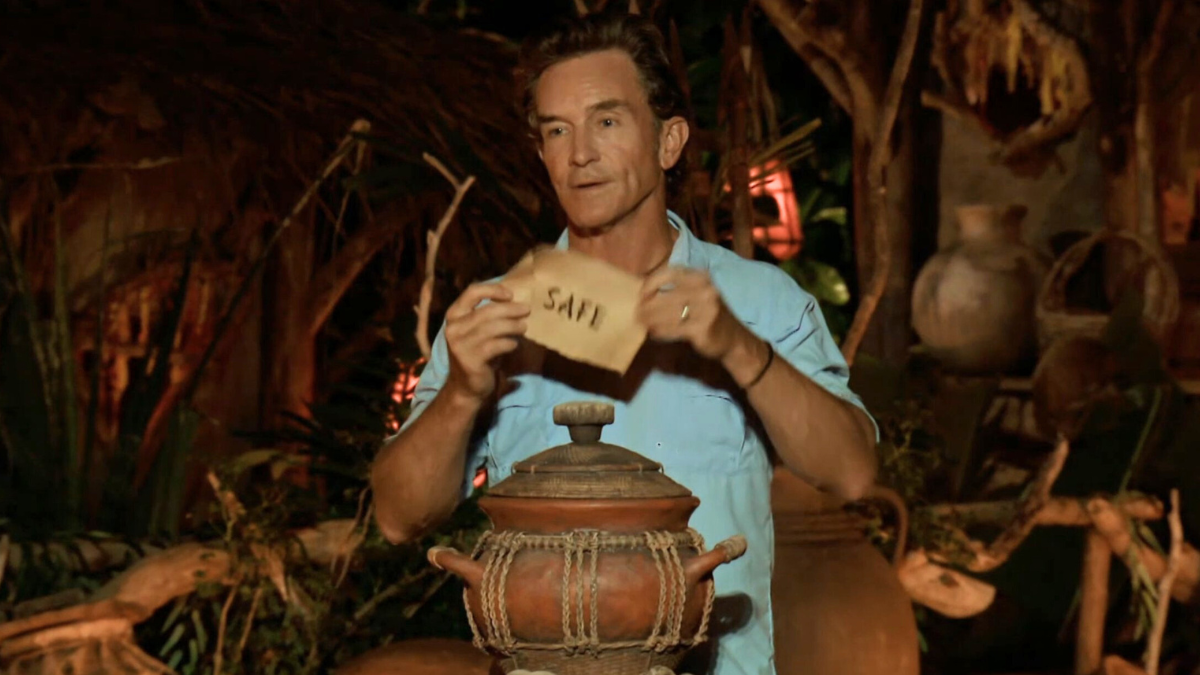
The nightly vote-out. Players discuss the game in front of the host, vote in secret, and the highest vote-getter has their torch snuffed.

Why it matters · Where most scoring events happen at once: votes cast, idols played, blindsides, and the elimination itself.

Snuffing the Torch

Tribal Council

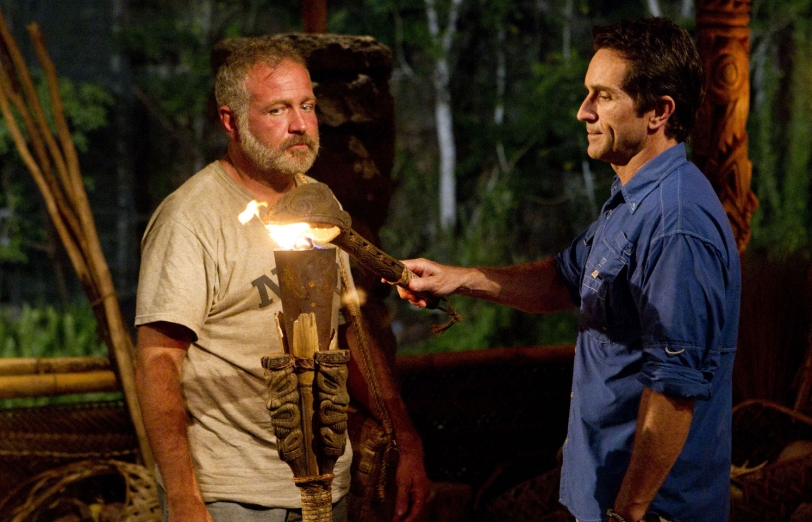
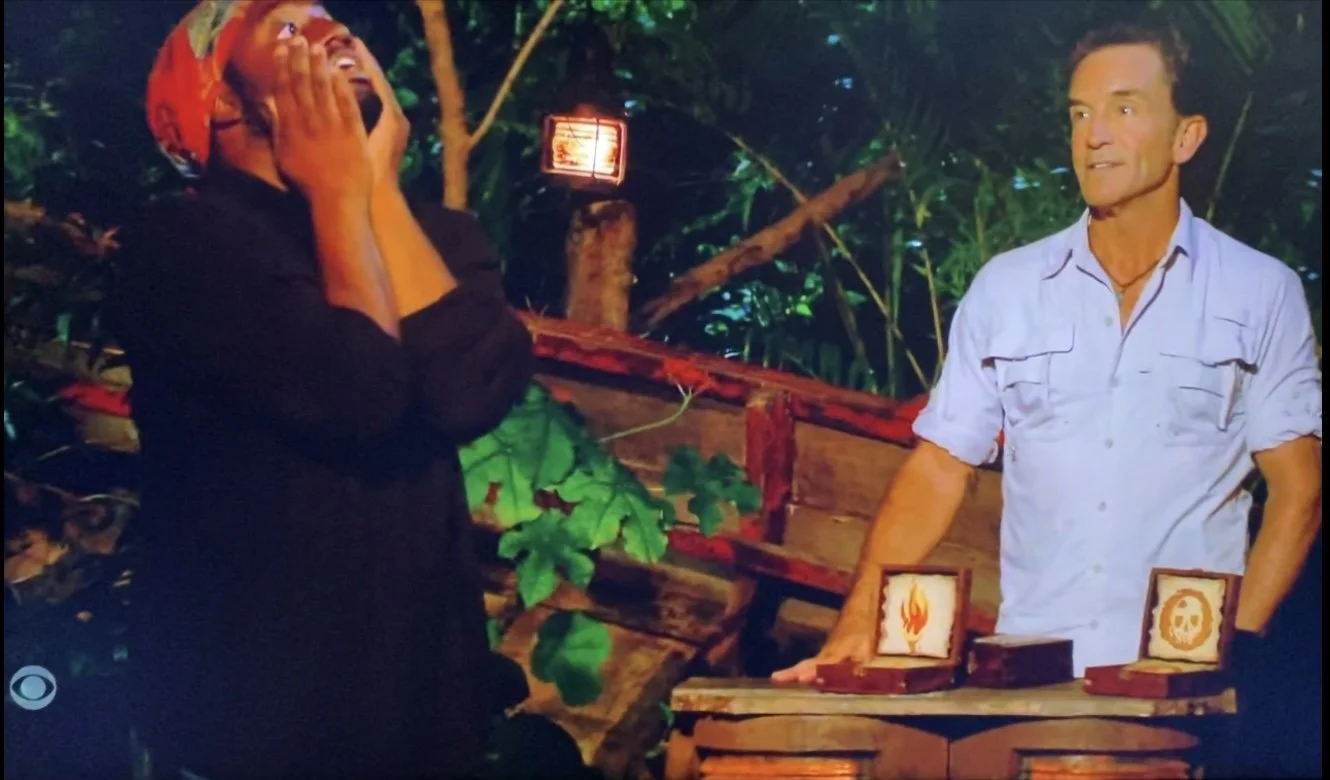
The host extinguishes the eliminated player’s torch with the words "the tribe has spoken".

Why it matters · The moment a drafted player stops earning. Everything after this is someone else’s points.

The Jury

Tribal Council

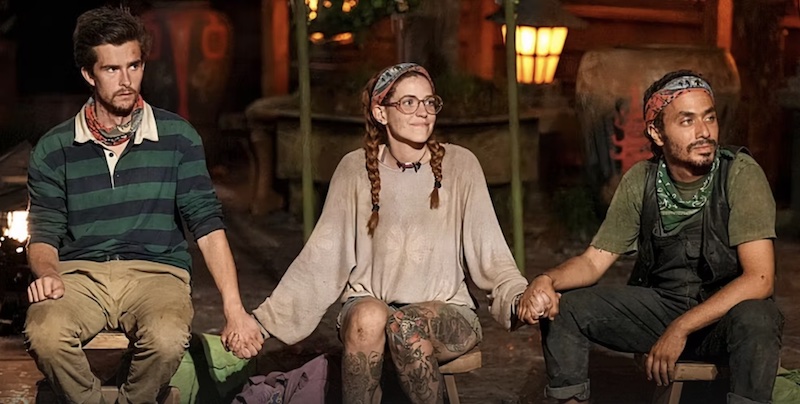
Players voted out after a set point in the game. They attend later Tribal Councils in silence and ultimately vote for the winner.

Why it matters · Making jury is a scoring milestone in most league rules, and it is the difference between a bust and a merely disappointing pick.

Final Tribal Council

Tribal Council

The finalists face the jury and argue for the win. Since Season 35 this is an open forum rather than a fixed question from each juror.

Why it matters · A strong performance here can flip votes on the spot. The best strategic game does not always survive the worst final speech.

Rock Draw

Tribal Council

If a revote is still deadlocked, everyone not receiving votes and not immune draws a rock. Whoever pulls the odd colour goes home.

Why it matters · Pure variance, and the one way a fantasy pick can be eliminated with nobody voting against them. Rare, but it has ended real seasons.

Revote

Tribal Council

When a vote ties, everyone except the tied players votes again, and may only vote for one of them.

Why it matters · A tie means someone’s plan already failed. The revote is where you see who actually controlled the numbers.

Fallen Angel

Tribal Council

Fan shorthand for the last player voted out before Final Tribal Council: the final juror. In Final Two seasons that was the third-place finisher; in Final Three seasons it is fourth, and since Season 35 it is usually whoever loses the final-four fire-making challenge.

Why it matters · The most painful fantasy result there is: every endgame point except the finale. Often a season’s strongest player, removed precisely because nobody wanted to face them in front of the jury.

Ponderosa

Tribal Council

The resort where players stay before the game starts and after they are voted out. Each boot gets a psych debrief and a medical check, then food and rest, with no phones or internet. Pre-jury boots leave once the jury phase begins, and the jury takes it over.

Why it matters · The jury lives there together for weeks before the finale, so the winner is often decided over dinner at Ponderosa rather than at Final Tribal.

Sequestered Jury

Tribal Council

A jury cut off from the outside world while it decides, as in a long courtroom trial, and told not to discuss the case until deliberations. Survivor’s jury is cut off too, with no phones or internet at Ponderosa, but jurors live together and talk about the game constantly.

Why it matters · Jurors shape each other’s votes. A finalist who is well liked by one persuasive juror can pick up votes from people they barely knew.

Jury Advocate

Tribal Council

A juror who campaigns at Ponderosa for a particular finalist to win, arguing their case to the rest of the jury before Final Tribal Council.

Why it matters · Why burning a bridge with an early juror can cost more than one vote. A strong advocate can swing a whole bloc.

Strategy

8

Blindside

Strategy

A vote-out the target never saw coming — they did not play an idol, and often voted with the people who eliminated them.

Why it matters · Usually the highest-value strategy event in a scoring sheet, and it pays the players who orchestrated it, not the one who left.

Vote Splitting

Strategy

An alliance divides its votes across two targets so that an idol played by one still leaves the other with enough votes to go.

Why it matters · The clearest signal that an alliance is genuinely in control — and when it goes wrong, the clearest sign it is not.

Alliance

Strategy

A working agreement between players to vote together.

Why it matters · A player inside the majority alliance is safe and scoring; one outside it is a boot waiting to be scheduled.

Flipping

Strategy

Abandoning your alliance to vote with the other side.

Why it matters · Flippers score well and die young. They generate events, and they also spend the trust they will need at Final Tribal.

Goat

Strategy

A player deliberately kept around because they are considered unbeatable to sit beside at the end — for the wrong reasons.

Why it matters · A goat is a cheap late-round pick with an unusually good chance of reaching day 39 and an unusually bad chance of winning.

Meat Shield

Strategy

A physical threat kept in the game specifically so that other people target them first.

Why it matters · Reliable mid-game survival, but they get cut the moment the shield stops being needed — usually right before the finale.

Pagonging

Strategy

A dominant tribe picking off the minority one by one after a merge, named for the Pagong tribe in Season 1.

Why it matters · If your picks are on the wrong side of a Pagonging, their season is already over — expect an orderly run of eliminations.

Having the Numbers

Strategy

Controlling more votes than the other side, so your plan passes by arithmetic.

Why it matters · The phrase to listen for. A player who says it confidently on screen is either safe or about to be blindsided.

Idols & Advantages

8

Hidden Immunity Idol

Idols & Advantages

A found object that, played before the votes are read, cancels every vote against its holder.

Why it matters · Finding one and playing one correctly are usually scored separately. Going home holding an idol is the classic negative event.

Idol Nullifier

Idols & Advantages

Played on another person before the vote, it cancels any idol that player uses that night.

Why it matters · Turns a guaranteed save into a wasted one. It has to be aimed at a specific player, so it rewards a correct read, not luck.

Shot in the Dark

Idols & Advantages

Give up your vote for a one-in-six draw at immunity for the night. Introduced in Season 41.

Why it matters · Almost always fails — that is the design — but a successful one voids a whole plan and is worth a lot of points.

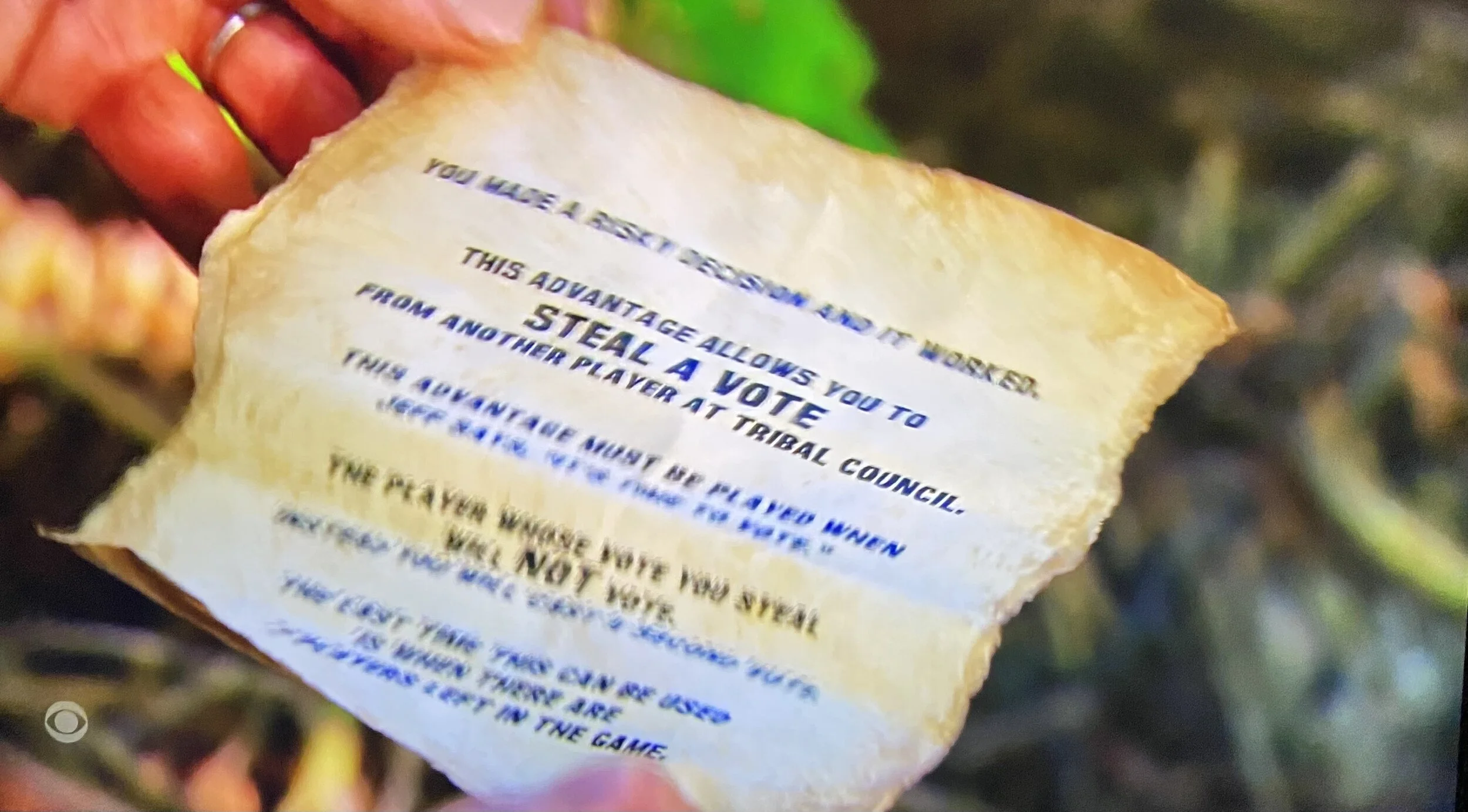
Steal-a-Vote

Idols & Advantages

Take another player’s vote at Tribal Council and cast it yourself.

Why it matters · A two-vote swing: one added to your side, one removed from theirs. Stronger than an extra vote and much more visible.

Extra Vote

Idols & Advantages

Cast a second vote at one Tribal Council.

Why it matters · Quiet and cheap. Often decides a tie without the holder ever being suspected of holding anything.

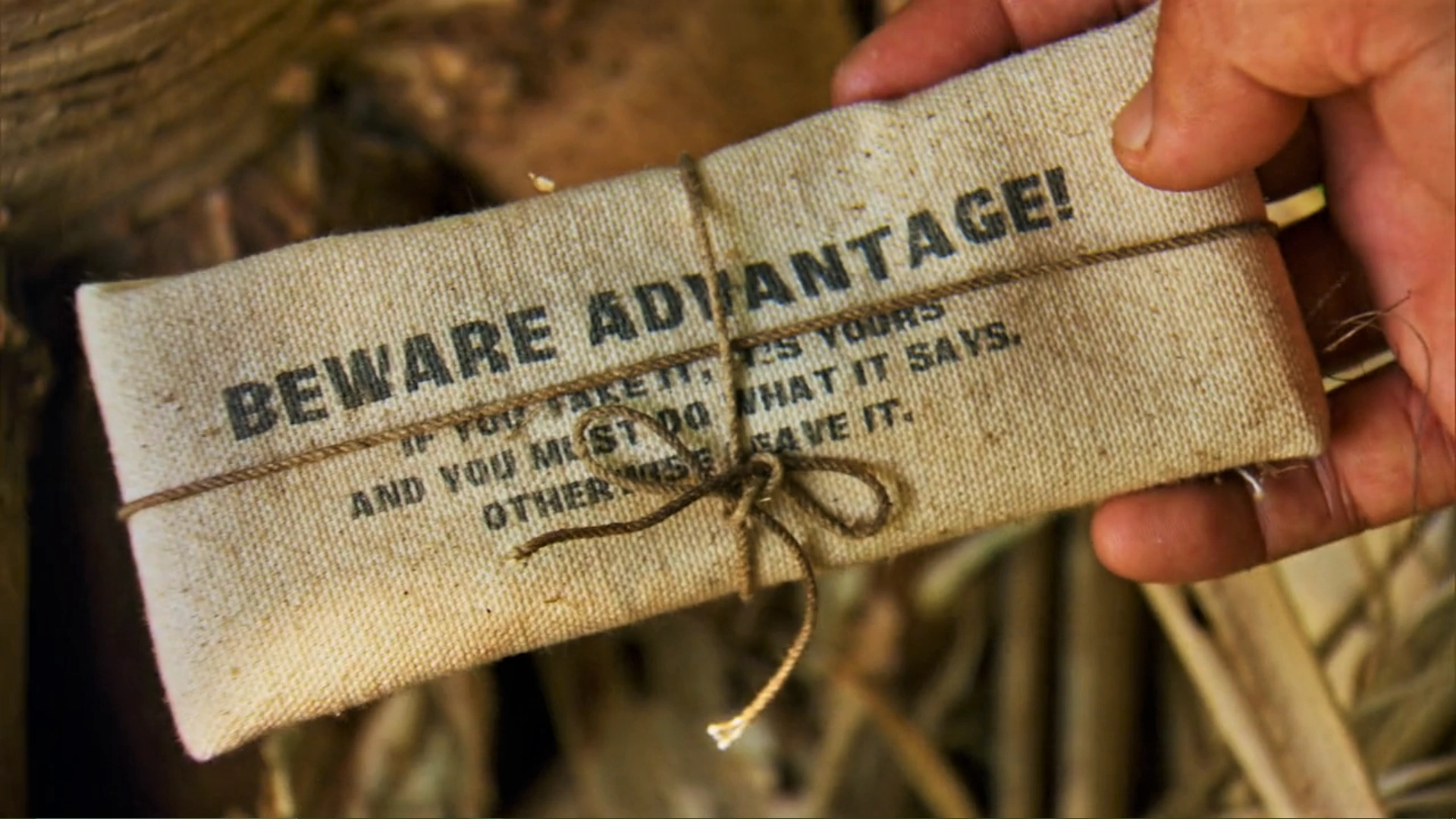
Beware Advantage

Idols & Advantages

An advantage that comes with a cost or a condition — commonly losing your vote until you complete a task, or having to say a phrase out loud.

Why it matters · The reason a strong player can be voteless at the worst possible Tribal. Read the risk, not just the reward.

Journey

Idols & Advantages

Players are sent away from camp to risk something — usually their vote — for a shot at an advantage.

Why it matters · A reliable generator of both advantages and lost votes, and the fastest way for a quiet player to become relevant.

Do or Die

Idols & Advantages

A player must complete a puzzle or task; failure means automatic elimination regardless of the vote.

Why it matters · One of the few mechanics that can eliminate a pick with no vote at all. Rare, and season-ending when it lands.

Camp & Structure

7

Buff

Camp & Structure

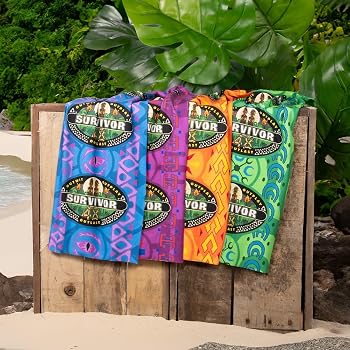
The tube of fabric each player wears in their tribe colour. Dropping your buff means a swap or a merge.

Why it matters · The visual signal for the two structural events that most change your roster’s outlook.

Tribe Swap

Camp & Structure

Players redraw buffs and are reshuffled into new tribes, breaking up established alliances.

Why it matters · The single most disruptive event for a fantasy roster. A safe majority can become a minority of one overnight.

The Merge

Camp & Structure

The remaining players combine into one tribe and immunity becomes individual. Recent seasons have gated it behind a challenge.

Why it matters · The scoring gear change: individual immunity, jury points, and the end of tribe-wide safety.

Mutiny

Camp & Structure

A twist that offers players the chance to walk off their tribe and join the other one on the spot. First offered in Thailand (Season 5); Candice Woodcock and Jonathan Penner in Cook Islands (Season 13) are the only US players ever to accept.

Why it matters · Rare, but it reshuffles the numbers instantly. A player who jumps ships themselves to the minority’s target list, for good or ill.

Merge Feast

Camp & Structure

The meal that traditionally marks the merge.

Why it matters · Reliably where someone slips away to look for an idol while everyone else eats.

Rice

Camp & Structure

The staple ration. Arguments over how fast it is being eaten are a fixture of pre-merge camp life.

Why it matters · Not scored, but it is the most dependable source of camp conflict — and conflict is what produces confessionals and votes.

Loved Ones Visit

Camp & Structure

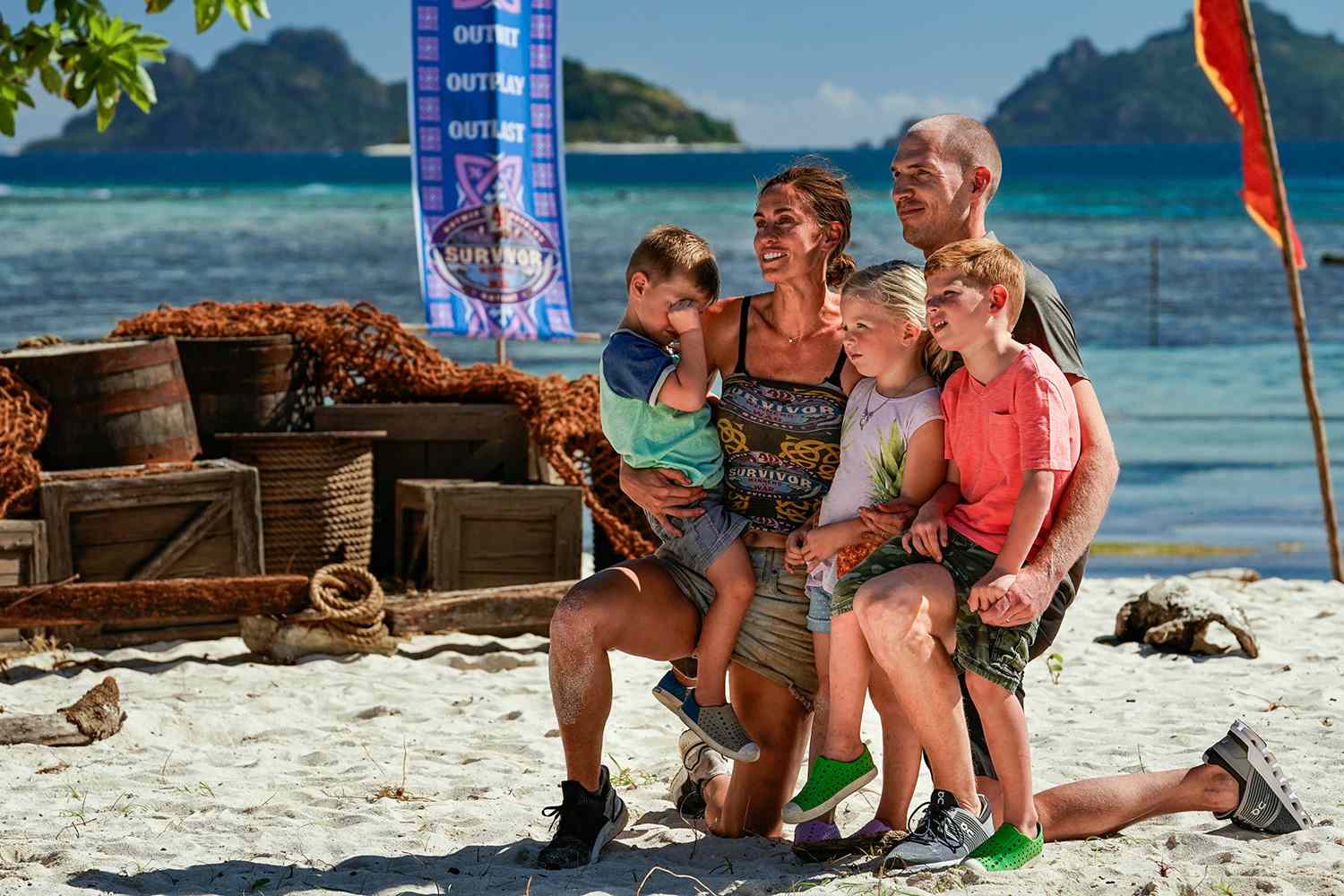
Family members visit late in the season, usually attached to a reward challenge.

Why it matters · A late-season marker. If your pick is still there for it, they are close to the money.

Fan Culture

7

Sole Survivor

Fan Culture

The winner, chosen by the jury at Final Tribal Council.

Why it matters · The biggest single payout in almost every scoring sheet, and the whole point of a Sole Survivor pick.

Perfect Game

Fan Culture

Winning with no votes cast against you all season and every jury vote at the end. Only two winners have done it: J.T. Thomas in Tocantins (Season 18) and John Cochran in Caramoan (Season 26).
Why it matters · The fantasy dream: no vote penalties, maximum jury votes, and the win. Worth remembering how rare it is before you expect it from a Sole Survivor pick.

Casting

Fan Culture

How players get on the show: an application video, then rounds of interviews with the casting team before the final cast is chosen. Survivor 51’s 21 players are all first-timers who came through that process.

Why it matters · Casting explains the cast you are drafting from, not how they will play. With no returnees, every S51 read starts from what airs.

Purple Edit

Fan Culture

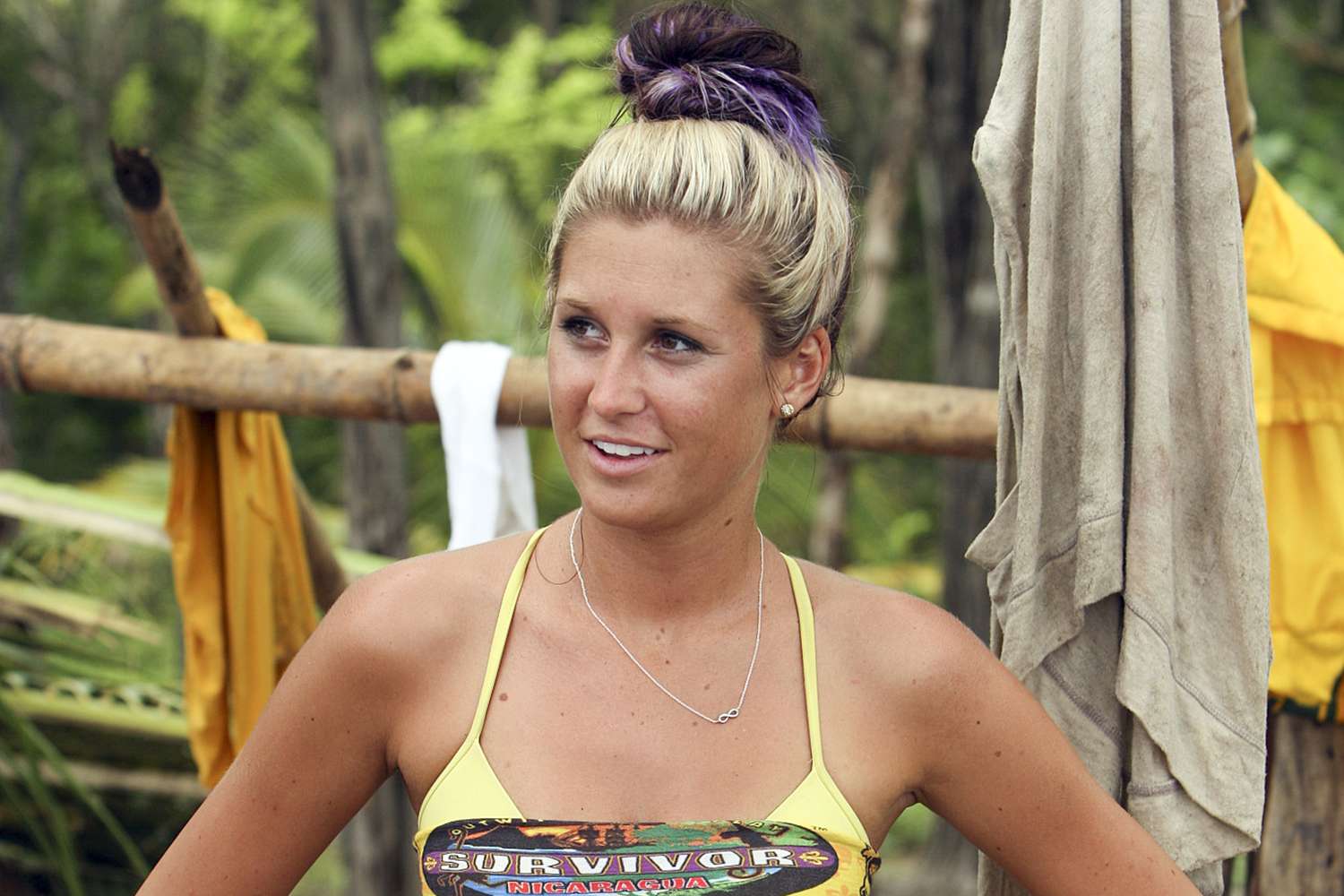
A player barely shown all season, named for Purple Kelly in Nicaragua. Little screen time, little context.

Why it matters · Editing is evidence. A player with no story is rarely being set up to win — but they do sometimes coast a long way.

Winner’s Edit

Fan Culture

The pattern of confessionals and framing that tends to surround an eventual winner — early introduction, personal backstory, visible growth.

Why it matters · The main tool for predicting a Sole Survivor mid-season, and the reason fans re-watch premieres.

Edge of Extinction

Fan Culture

A twist where eliminated players go to a separate beach and can compete to re-enter the game.

Why it matters · It breaks the assumption that a snuffed torch is final, so it changes what an elimination is worth.

The Open Era

Fan Culture

Survivor 51’s premise: every idol, advantage and twist from the first fifty seasons is eligible to return, in any order and without warning, alongside new ones.

Why it matters · Nothing on this page is off the table this season. Draft for adaptability rather than for a twist you expect.

Image credits

More to explore